Ibera National Park Travel Tips for First-Time Visitors
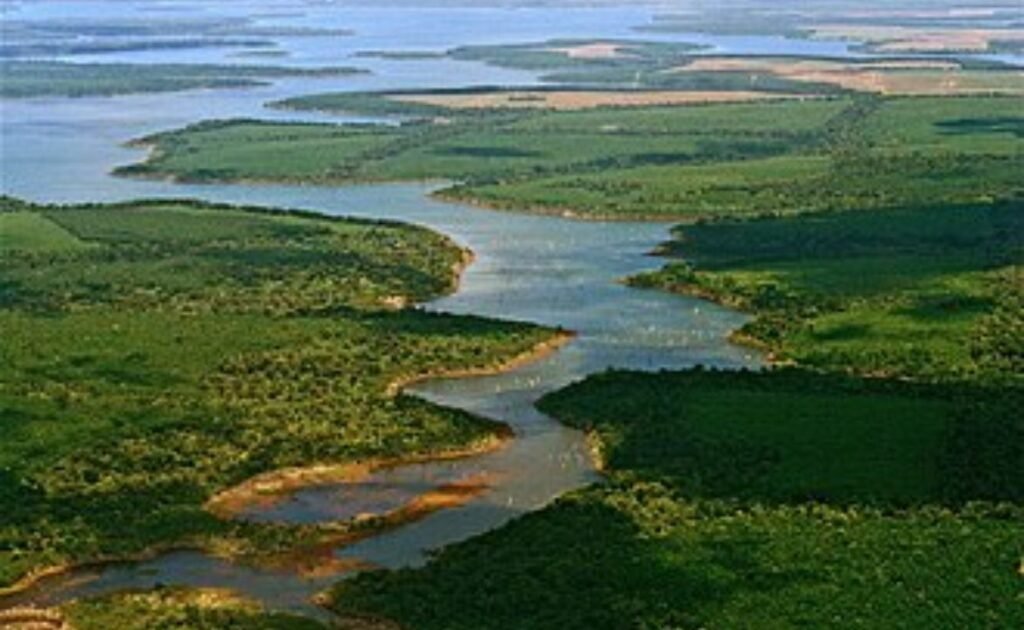
Did you know that Ibera National Park is home to one of the largest wetlands in the world? This breathtaking sanctuary, nestled in Argentina, is teeming with diverse wildlife and stunning landscapes. If you’re a first-time visitor eager to explore this natural wonder, you’ll want to be well-prepared to make the most of your adventure. In this article, we’ll share essential travel tips to ensure your journey through National Park is unforgettable.
What is Los Esteros del Iberá Park

Los Esteros del Iberá is a stunning tapestry of biodiversity, where every glimmering waterway and lush marshland tells a story of ecological wonder. Spanning over 1.3 million acres, this intricate network of wetlands is a sanctuary for countless species, including capybaras, marsh deer, and over 350 bird species.
The sheer variety of habitats within its realms — ranging from reed beds to floating islands — creates a dynamic environment, drawing in nature enthusiasts and researchers alike.While many colloquially refer to the entire expanse as “Iberá Park,” it’s crucial to understand the distinction between its various components: the National Park, National Reserve, Provincial Park, and Provincial Reserve each serve distinct ecological and preservation roles.
Where is Los Esteros del Iberá Park
Los Esteros del Iberá Park, nestled in the province of Corrientes in Northern Argentina, is a mesmerizing tapestry of wetlands and wildlife. Bordering Paraguay, this ethereal landscape is steeped in the rich Guaraní culture, where you might catch locals communicating in their native tongue, adding layers of authenticity to your visit. The very name “Iberá” translates to “shining water,” a tribute to the shimmering lagoons and rivers that allure travelers and nature enthusiasts alike.
When to visit los Esteros del Iberá

However, if you’re considering a summer escapade from December to February, brace yourself for the temperatures soaring between 30 to 35 degrees Celsius. While this is high season, bringing throngs of visitors keen to witness the park’s rich biodiversity, you might find the wildlife a bit more elusive during peak heat. Meanwhile, the late-year months of October to December are marked by increased rainfall, which can turn trails into muddy quagmires but invigorates the landscape, bringing a different, enchanting charm. Each season unveils a unique side of Iberá, allowing you to immerse yourself in its ever-changing beauty.
How to get to Los Esteros del Iberá
Reaching Los Esteros del Iberá may present a few logistical challenges, but these hurdles only enrich your adventure. The journey typically begins in the nearby town of Mercedes, where you can catch a combi to Colonia Carlos Pellegrini, the gateway to this ecological paradise.
Scheduled departures occur every Monday, Wednesday, and Friday at 1 PM, although it’s advised to confirm your ride with local accommodations. If these timings don’t work with your plans, arranging a private transfer can be a viable alternative, albeit at a higher cost.For the more adventurous, hitchhiking in the low season can yield unique experiences and stories worth sharing.
You’ll find locals eager to engage, turning your transport dilemma into an opportunity for cultural exchange. Embrace the spontaneity of your travels; after all, it’s the unplanned moments that often lead to the most memorable tales.
Where to stay in the Iberá Wetlands
Colonia Carlos Pellegrini is more than just a gateway to the stunning Iberá Wetlands; it’s an inviting base for immersing yourself in this unique ecosystem. While budget travelers might consider the campsite at the entrance, I wholeheartedly recommend indulging in a stay at the Ecoposada del Iberá.
This charming lodge does more than just provide a roof over your head; it encapsulates the essence of the wetlands with specially curated packages that blend accommodation, delicious meals, and guided adventures that truly showcase the area.What sets Ecoposada apart is its own private reserve, offering an intimate connection with nature.
Whether you choose to explore by kayak gliding through serene waters, hike along lush trails, or experience the thrill of horseback riding, the activities are designed to immerse you in the wildlife-rich environment.
Ibera National Park
Wildlife watching in Ibera Park is an experience that transcends mere observation; it invites you into the heart of a vibrant ecosystem brimming with life. Among the park’s highlights are the striking Wattled Jacanas, which gracefully maneuver through the wetlands on their long, slender legs, displaying their unique beauty and charm.
Observing these birds in their natural habitat, with their striking yellow-and-black plumage contrasting against the lush green backdrop, evokes an indescribable sense of connection with nature.
What to do in los Esteros del Iberá
In the heart of Los Esteros del Iberá, wildlife watching is truly an immersive experience. The vast wetlands not only host an impressive array of flora and fauna — but the sheer tranquility allows you to connect with nature on a deeper level. Along designated trails, you can choose to walk guided or solo, each option offering a unique perspective; a guide can help you spot hidden gems, while wandering alone invites unexpected discoveries.
Iberá Wildlife
The Iberá Wetlands teem with life, offering a vibrant tapestry of biodiversity that enchants every visitor. Here, caimans bask on the banks while capybaras graze nearby, and the air fills with the melodious calls of diverse bird species.
The striking southern screamers, elegant herons, and charismatic kingfishers paint the landscape with their vivid colors and unique behaviors. Among them, the Wattled Jacana and Great Kiskadees add a lively soundtrack as they flit between the reeds and water.
For the lucky observer, the emblem of Iberá Park, the Strange-tailed Tyrant, stands out as a true spectacle, showcasing the adaptability and beauty of avian life in this ecosystem. Beyond the waterways, the rich terrestrial landscape shelters deer, foxes, and playful howler monkeys, each contributing to the complex web of life.
How about jaguars?
aguars, once a dominant presence in the region, have faced steep challenges due to extensive cattle and rice farming, which all but wiped them out. The narrative shifted when Rewilding Argentina and Thompson Conservation sparked a renewed hope for these majestic predators.
Founded by the late Douglas Tompkins of North Face fame and his wife, the initiative aims to restore the natural balance by reintroducing these apex predators back into their native habitat.The reintroduction process is nuanced and far from straightforward, often taking several generations to establish a self-sustaining population.
However, after years of dedicated efforts, the first jaguars have now been released near the Ibera Wetlands, a vital ecosystem rich in biodiversity. The rewilding center, serving as a crucial hub for these efforts, not only supports jaguars but also works to reintroduce other rare species, like the elusive Giant Anteater.
Trails
The Sendero Carayá beckons adventurers into a lush world where the symphony of Howler Monkeys can often echo through the canopy. This circular 1k trail is a gateway to witnessing wildlife in its unfiltered glory, with Brown Brockets leisurely browsing the underbrush. It’s a treasure trove for those who take the time to pause and observe; the forest is alive with stories, from the rustling leaves to the distant calls of its inhabitants.
Meanwhile, the Boardwalk offers a striking contrast as you traverse 500 meters of suspended pathways above glimmering waters. Here, the spectacle unfolds in real time — caiman basking on the banks, capybara grazing in the reeds, and elegant herons poised to strike. It’s a visual feast that invites contemplation, urging visitors to breathe in the serene beauty that surrounds them.
For those craving a deeper connection to nature, the Sendero de los Montes stretches into a tranquil 2k expanse filled with the soothing sounds of birdsong. Its winding paths offer delightful surprises around every bend, drawing you into a slower pace where nature reveals its secrets. Every slight detour might reward you with glimpses of charismatic wildlife, making each visit a unique experience, especially if you’re fortunate enough to encounter the elusive Howler Monkeys and Brown Brockets once more.
Boat tours

Exploring Lake Iberá by boat offers a unique vantage point that trails simply can’t provide. As the gentle ripples of the water mirror the vibrant skies above, you’ll find yourself entranced by the rich tapestry of wildlife. Gliding through the waterways, the elusive caiman and curious capybara can be seen basking languidly along the shores, unobtrusive yet fascinating in their natural habitat.
The complete travel guide to los Esteros del Iberá
The Iberá Wetlands, or Iberá National Park, offer an unfiltered glimpse into a thriving ecosystem teeming with life. Unlike the crowded tourist hotspots, this hidden gem invites travelers to connect with nature on an intimate level. Here, you’ll find a diverse range of wildlife, from capybaras to caimans, all set against a stunning backdrop of lush flora.
Exploring the wetlands by canoe or on foot not only immerses you in the vibrant local environment but also presents unparalleled opportunities for wildlife photography and birdwatching.As you venture through the park, consider engaging with local conservation efforts aimed at restoring the wetlands.
Organizations focused on rewilding are working tirelessly to protect this unique habitat, reminding us of the delicate balance of nature and the importance of preserving it for future generations. After experiencing the Ibera Wetlands, travelers will not only leave with unforgettable memories but also a deeper appreciation for the significance of conservation in such remarkable places.