How to Travel Egypt Independently: Complete Guide for First-Timers
Have you ever wanted to uncover the secrets of the Nile without sharing the experience with a bus full of tourists? Traveling Egypt independently is not only possible, but it can also lead to more authentic and memorable experiences. In this complete guide for first-timers, we’ll dive into essential tips and insider knowledge on how to travel Egypt independently — from practical advice to the must-see places off the beaten path. By following this guide, you’ll be ready to create your own unique Egyptian adventure.
Table of Contents
The Basics: Weather, visa & more
The best time of year to visit Egypt
What if I told you there’s a sweet spot in Egypt where you can enjoy pleasant weather and fewer tourists? Many travelers huddle in during the winter months, but those seeking a more intimate experience might find visiting in November or even October more rewarding. Understanding the ebb and flow of Egypt’s tourist seasons can drastically impact your trip. Join us as we uncover the best times to visit this historic land, highlighting strategies to dodge the crowds while reveling in its timeless beauty.
Egypt’s geography
Did you know that nearly 95% of Egypt is covered by arid desert, while civilization thrives along just one river? This striking geography has profoundly shaped Egypt’s history and culture, leading to its stunning monuments and ancient cities. From the iconic pyramids near Cairo to the hidden tombs in Luxor, understanding Egypt’s geography is crucial for any traveler seeking to explore its rich archaeological heritage. This article will guide you through the compelling landscapes of Egypt and highlight the key sites that define its ancient and modern allure.
Visa for Travel Egypt
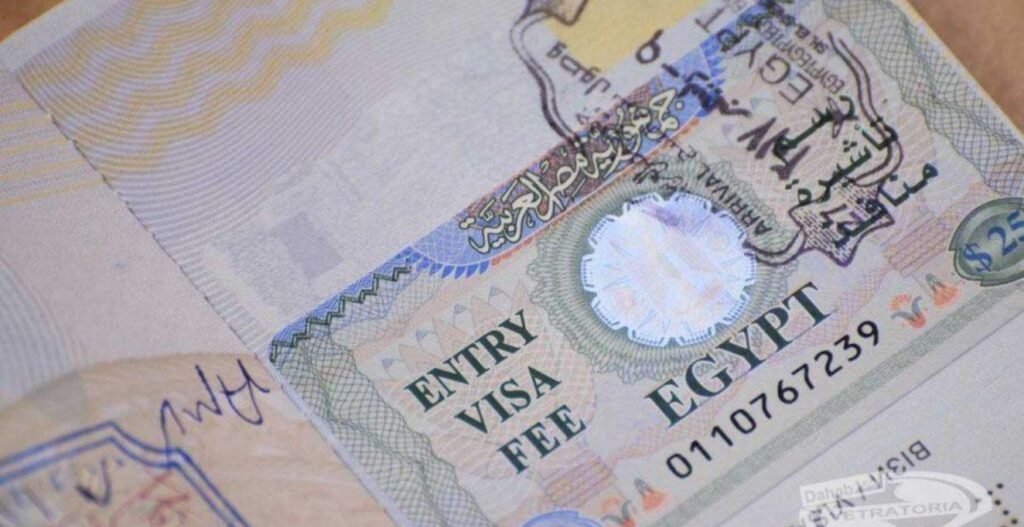
Planning a trip to see the mesmerizing wonders of Egypt? Before you pack your bags, there’s an important hurdle to clear: securing a visa. Most nationalities need to obtain one, but the process is simpler than you might think. This article will guide you through the application options — whether online or upon arrival — and provide key details on costs and payment methods. Knowing how to navigate this step will ensure your Egyptian adventure starts hassle-free!
SIM cards to Travel Egypt
Did you know that navigating Egypt without a reliable internet connection can turn a dream vacation into a logistical nightmare? From booking Ubers in bustling Cairo to coordinating transfers in Luxor, having a local SIM card is essential for smooth travels. In this article, we’ll explore the ins and outs of getting a SIM card in Egypt, including where to buy one, costs, and the best options for data. With a few simple steps, you’ll ensure your trip is hassle-free and connected!
Language to Egypt
Did you know that over 80% of tourists in Egypt rely on English to navigate this ancient land? While the bustling streets and majestic monuments may seem daunting at first, the good news is that you won’t need to be fluent in Arabic to explore the wonders of Egypt. This article will provide essential insights into communication in Egypt, from local nuances to basic phrases that will enrich your travel experience. By the end, you’ll feel more confident and connected to the culture, making your adventure even more memorable.
Choosing your route & picking sites to visit
However, if you find yourself with a bit of extra time, consider winding down with a trip to the Red Sea. The vibrant coral reefs and stunning beaches offer a refreshing contrast to the historical sites, allowing for both relaxation and adventure — be it snorkeling, diving, or simply basking in the sun. For the more adventurous spirit, Egypt’s lesser-known treasures, like the Western Desert oases or remote islands, beckon with promises of tranquility and stunning landscapes. While these destinations remain unchecked on my list for now, they could easily transform your itinerary into something uniquely memorable, making them worthy of a future trip.
Cairo
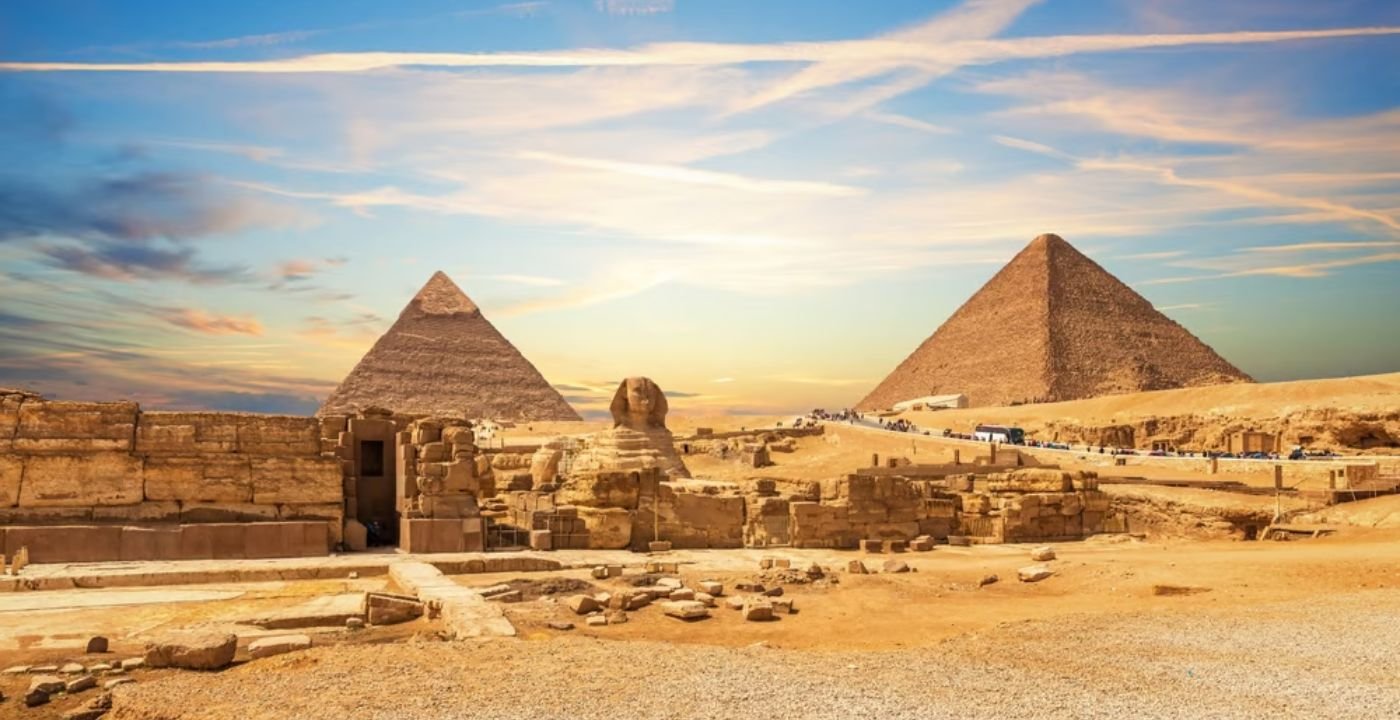
While Giza undoubtedly steals the spotlight with its iconic pyramids and the majestic Sphinx, Cairo unfolds a richer narrative than just its famous landmarks. For those in the know, sites like Saqqara and Dahshur offer an intriguing glimpse into Egypt’s ancient history, often away from the bustling crowds.
Opting for Dahshur, where the majestic Bent Pyramid and Red Pyramid rise against the desert backdrop, was a delightful choice. Here, the serenity of the landscape allows visitors to explore the interiors without the usual throngs, making for an intimate experience that feels almost personal.In addition to the pyramids, a visit to the
Grand Egyptian Museum (GEM) presents an unparalleled dive into Egyptology. Even for a casual museum-goer, the GEM redefines expectations, showcasing Tutankhamun’s treasures in a setting that breathes both history and innovation.
Luxor
Nestled along the banks of the Nile, Luxor’s rich tapestry of history captivates at every turn. Unlike their monumental pyramid predecessors, the pharaohs who ruled here carved their legacies into the earth, shrouded in secrecy with hidden tombs in the Valley of the Kings. This unique burial practice speaks volumes about the evolving religious beliefs and quest for eternity in ancient Egypt. Home to the illustrious Tutankhamun, this valley is a treasure trove of artistry and mystique, offering glimpses into the opulent afterlife they envisioned.
Aswan
Abu Simbel, though a three-hour drive from Aswan, is a must-see, especially for its grandeur and historical significance. Visiting in the early morning allows you to bask in its splendor without the overwhelming crowds, but if you’re craving a more serene experience, consider going in the afternoon; the light softens the monumental statues and makes for unforgettable photos. Just a short jaunt can uncover hidden gems like the Kalabsha Temple and the Amada Temple, which often escape the typical tourist radar.
How to get around Egypt independently
Traveling independently in Egypt opens up a world of adventure and flexibility, allowing you to tailor your journey to your interests. Utilizing planes for long distances and embarking on a serene cruise along the Nile can transform your experience; imagine drifting past ancient temples and lush landscapes while enjoying onboard amenities. The rhythm of a cruise offers a unique chance to soak in the surroundings between bustling city explorations and serene historical sites.
Visiting Egypt
The cruise from Luxor to Aswan truly transforms the journey into an experience, offering breathtaking views of the Nile that you can’t capture anywhere else. As you glide past ancient temples and lush riverside villages, time seems to blur, allowing you to immerse yourself in the history and culture that envelops the landscape. While the price may be higher and the schedule more leisurely compared to other modes of transport, the value of witnessing the world’s longest river unfold before you is immeasurable.
USE TO PLANCE
Traveling between Cairo, Luxor, and Aswan by domestic flights offers a seamless way to experience the rich tapestry of Egypt’s history while minimizing travel time. Instead of spending hours navigating the busy roads or relying on longer train journeys, a quick flight can transport you from the bustling streets of Cairo to the awe-inspiring sites of Luxor and Aswan in just under an hour. This efficiency allows you to maximize your time exploring iconic landmarks like the Valley of the Kings or the majestic temples of Karnak and Philae.
USE TO BUSES
Among the choices available, GoBus emerges as a standout option. With positive feedback from fellow travelers, their services promise a more reliable experience in terms of both comfort and punctuality. While delays are still part of the journey, the relatively luxurious seating and air-conditioned interiors provide a much-needed respite from the sweltering Egyptian heat. As you embark on this long journey, consider it a chance to immerse yourself in the people and sights that unfold outside your window — making the trip not just a means to an end, but a memorable chapter in your travel story.
USE AN TRAINS
Traveling by train in Egypt can be an intriguing option, especially for those looking to experience the landscapes between Cairo, Luxor, and Aswan. However, the allure of the overnight sleeper train quickly dims when faced with the reality of prices that often surpass domestic flights. While those trains promise a unique experience, the value-for-money threshold tends to tilt towards air travel, especially considering the time saved.
How to Travel Egypt Independently
Traveling independently in Egypt offers a unique flavor of adventure that larger tours often miss. Expect a vibrant tapestry of culture that can feel overwhelming at first — the hustle of Cairo’s streets, the serene beauty of the Nile, and the haunting silence of ancient ruins all contribute to an experience unlike any other. To navigate this fascinating landscape, start by downloading essential apps for navigation and language translation; they can bridge communication gaps and ensure you never feel lost in translation.
How to book tours and guides without a package
Navigating the landscape of tours and guides in Egypt can feel overwhelming, especially in hotspots like Luxor where your hotel owner may present you with an enticing package deal. While it appears convenient, the challenge lies in the absence of a centralized hub for comparison. Walking through the bustling streets, you might notice a lack of official agencies — most options are hidden behind the scenes, relying on personal connections rather than transparent pricing. This can leave travelers feeling locked into one choice without truly understanding the alternatives.
Money matters
Cash vs cards
In Egypt, navigating the cash-versus-card debate can be a bit of a dance. While cash remains king, especially in local markets and eateries, you’ll find that many tourist hotspots accept cards — albeit with an added fee of 3% to 5%. This fee can quickly add up, making cash in hand often more favorable for smaller purchases. However, ATMs in Egypt offer a cost-effective solution without these surcharges, particularly if you’re using a card like Wise, which boasts minimal conversion fees and two free withdrawals a month.
Budgeting
When budgeting for your trip to Egypt, it’s essential to account for the often-overlooked expenses like tips and entrance fees, which can quickly accumulate. Regardless of whether you’re exploring the majestic pyramids on a package tour or navigating the local sights independently, budgeting around $5 to $10 per day for tips will keep your finances in check. Many restaurants in Egypt include service charges in the bill, but engaging with locals for photos or assistance can turn into unexpected expenses.
Scams & safety
While scams can be common in Egypt, they rarely overshadow the warmth and safety the country offers to tourists, including solo female travelers. Yes, you may encounter friendly locals eager to engage in conversation or maybe even convince you to part with your cash, but such interactions are often lighthearted rather than malicious.
The key to enjoying your adventure lies in a little knowledge about common scams — like overly aggressive vendors or “guides” who appear out of nowhere. Most of these situations are easily navigable with a friendly smile and polite persistence.Throughout our travels, we experienced a few minor scams, but they became opportunities for amusing stories rather than moments of dread.
For instance, a tour tout once insisted we needed a “special pass” that we could only acquire from them, but armed with our research, we quickly learned that entry tickets could be purchased directly at the site.
At the airport
Navigating airports can be a blend of excitement and anxiety, especially for those wary of potential scams. Thankfully, our experience was devoid of any fraudulent encounters, though I couldn’t shake tales of individuals dressed in red, posing as officials. They often seam to lurk around, flashing badges and requesting passports, only to create a lot of unnecessary stress as travelers find themselves in a bind for money to retrieve their belongings. Stories like these serve as a reminder to stay vigilant and trust your instincts — always pause before handing over your precious documents.
Transportation
Navigating transportation in Egypt can be a mixed bag of experiences, particularly when it comes to rideshare services like Uber. Upon landing at Cairo Airport, you may encounter a chorus of taxi drivers insisting that Uber isn’t available. However, if you venture just a bit further away from the terminal, you may find that a perfectly navigable Uber experience awaits you — often at less than half the price of the airport taxi.
This little trick saved us a decent chunk of change and offered a seamless start to our Egyptian adventure.In Luxor, the transportation scene shifts dramatically with the charming yet relentless horse-drawn carriage drivers. They may lure you in with the promise of a ride for as little as one dollar, but proceed with caution. Our guide later revealed a common tactic: once onboard, they often demand much more than the initial fare once you’re in motion. The best approach? Stick to your walking shoes and enjoy the sights at your own pace.
A little strategic maneuvering, like crossing the street to escape their attention, can provide the freedom to explore without the hassle of inflated prices.When using Uber in bustling cities, be prepared for a slight disconnect between app prices and what drivers may quote at arrival. On one occasion, our driver attempted to negotiate a higher fare than what was listed, but a quick reference to the app put the situation back on track.
Tours
The world of souvenir shopping on guided tours can feel like a double-edged sword. Often, the so-called “official” shops, like the Papyrus Museum or artisanal villages, present themselves as the best places to buy authentic crafts. However, these venues frequently charge inflated prices under the guise of quality and tradition, offering just a glossy veneer over mass-produced items.
Meanwhile, many tour guides usher you to their “best friends’” stores, where they earn a commission on your purchases while assuring you of unrivaled quality. The irony? You could find similar products at local markets or smaller shops for a fraction of the price.When it comes to pricing, be wary of potential pitfalls like misleading currency exchanges. I learned this the hard way when an enticing $25 tour morphed into a much heftier bill due to an inflated exchange rate that the hotel owner initially cited. Confronting him about the discrepancy revealed a common tactic: using outdated rates to maximize profits.
It’s essential to arm yourself with current exchange information and be ready to negotiate, treating each purchase as a personal transaction, not a guided tour experience. In the end, this approach can often lead to unforgettable treasures without the inflated price tags.
At touristic sites
Engaging with the vibrant tapestry of heritage sites often comes with its own set of unexpected experiences. One of the more notorious scams involves camels, where tourists are invited for a short ride, only to find themselves stranded at the mercy of aggressive “guides” for an outrageous fee just to dismount.
This scenario, while rumored to be prevalent, often remains just a whisper among travelers rather than a widespread occurrence. It serves as a stark reminder to remain aware and exercise caution while reveling in the allure of cultural immersion.Another more common trick involves locals at major landmarks offering to take photos with your own phone, an enticing lure for those yearning to capture new memories.
However, the ominous shadow of scam looms large here, as some individuals may hold your device hostage unless you part with an unreasonable tip. Despite the cautionary tales circulating among seasoned tourists, I noticed most visitors at popular spots like the Valley of the Kings opted to decline these offers.
Food & drinks
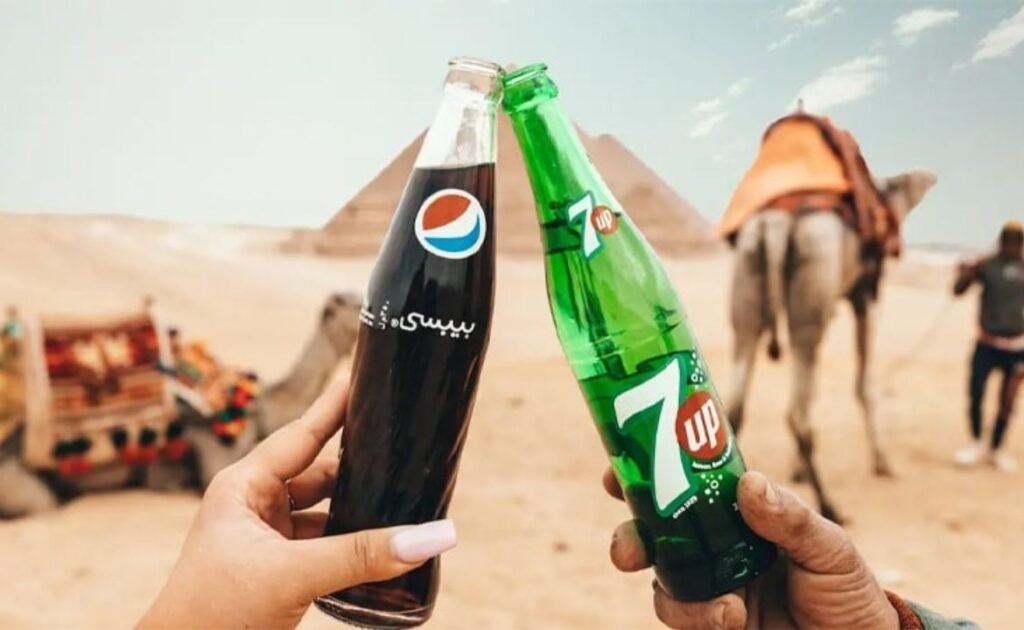
The charm and chaos of Egyptian hospitality can be a delightful yet perplexing experience. The term “courtesy coffee” might sound inviting, but it quickly transforms into a costly surprise when the bill arrives — an unwelcome reminder that even generous offerings can come with strings attached.
It serves as a lesson in discerning genuine hospitality from the undercurrents of a tourist trap, urging travelers to remain vigilant even amidst warm smiles.Similarly, the allure of enjoying a cold beer while gazing at the pyramids can quickly sour when the reality of inflated prices and unexpected fees surfaces. The essence of travel often lies in these moments of unexpected culture shock, shedding light on local customs and the nuances of social interactions.
It also highlights the fine line between tourism and exploitation, making us reflect on the true meaning of hospitality in a global context. Instead of feeling frustrated, embracing these experiences can turn them into fascinating stories that enrich our journey.
Animal welfare in Egypt
I was pleasantly surprised to see how well the animals used for rides in Egypt appeared, particularly in areas like Giza. The horses had a surprising vibrancy, with shiny coats and visible energy, creating a stark contrast to the general misconceptions surrounding animal welfare in tourism.
Similarly, the camels, which are so iconic to the landscape, seemed relaxed, often resting in the shade or munching on food, reinforcing their status as natural desert dwellers. The structured tourist routes appear to allow them adequate breaks, suggesting a level of consideration for their welfare.However, my journey took a different turn in places like Edfu and Luxor.
Here, the horses exhibited a sadder state; many looked underfed, and their coats lacked the luster seen in Giza. Although I didn’t observe any blatant signs of abuse, such as open wounds, their thin frames were a stark reminder of the varying standards of care across the country. This disparity challenges us to think critically about how animal welfare is managed in the tourism sector and the importance of supporting ethical practices to ensure that all animals are treated with the respect they deserve.
The contrast between regions underlines the necessity for ongoing vigilance and advocacy for animal rights in Egypt, encouraging tourists to be conscious of their choices and the impact on the lives of these magnificent creatures.
What to pack for Egypt
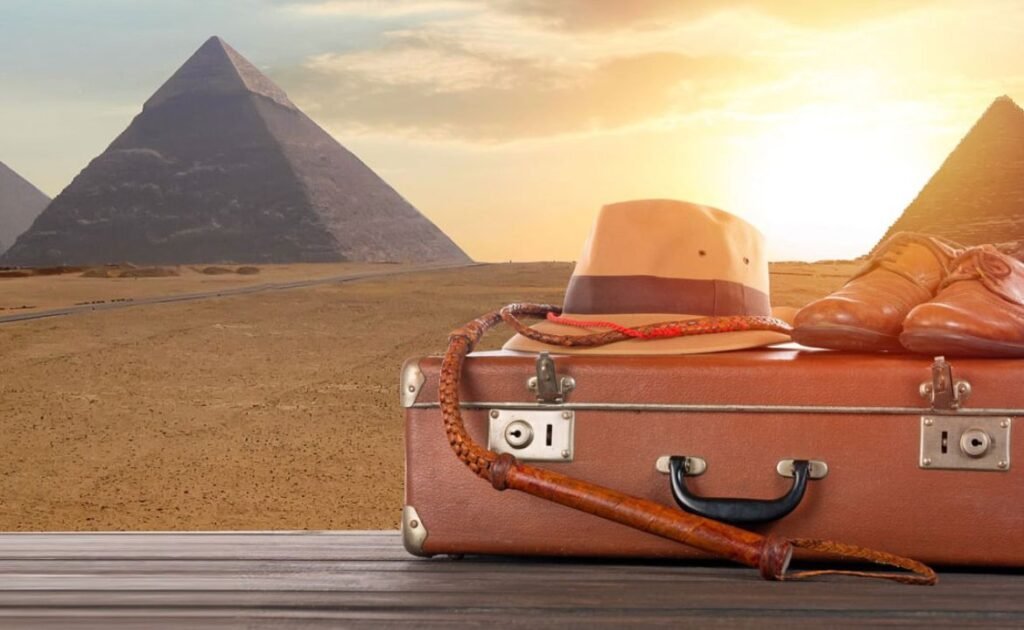
When packing for your Egyptian adventure, convenience and cultural understanding go hand in hand. Opt for protective, breathable clothing that covers your shoulders and knees; it’s a respectful nod to local traditions, even if it’s not strictly enforced at tourist sites.
Lightweight fabrics will keep you cool while still adhering to cultural norms, ensuring you feel comfortable and appropriately attired as you navigate bustling marketplaces or majestic temples.Don’t forget your bathing suit, especially if you plan to embark on a Nile cruise. Many travelers enjoy lounging in the sun, and while the pool may feel a bit chilly, you’ll appreciate having the option to unwind in swimwear after a day of exploring.
Lastly, ensure you have a suitable adapter for your devices, as Egypt uses the European-style plug. Bringing a camera is highly recommended; the stunning landscapes and intricate details of ancient sites are a photographer’s dream. Just remember to leave your drone behind, as strict regulations govern their use in the country. In essence, packing with both practicality and respect in mind will enhance your Egyptian experience.
Final thoughts about traveling Egypt independently
Traveling Egypt independently opens up a world of possibilities that often remain hidden to those on guided tours. The moments you can create at your own pace — like watching the sun set over the temples of Luxor or wandering through the bustling markets of Cairo — are truly priceless.
You’ll find that each interaction with locals creates an enriching tapestry of experiences, turning potential hurdles into memorable anecdotes. Scams and negotiations are simply rites of passage, often leading to unexpected adventures and deeper connections with the culture.
One of the best strategies for how to travel Egypt independently is to embrace spontaneity. Allow yourself the freedom to deviate from your itinerary; you might stumble upon a hidden café where you can sip traditional mint tea while chatting with locals who are eager to share their stories. These unscripted moments are what make independent travel so rewarding. With the right mindset, any challenges can be transformed into stepping stones, ensuring your journey through this magnificent land is not just a trip, but a transformative experience that you will cherish forever.