Brazil Rainforest: Complete Guide to the Amazon’s Natural Wonders
Did you know that the Brazil rainforest, covering 40% of South America, houses an astonishing 10% of all known species on our planet? The Amazon rainforest is not just the world’s largest; it’s a living treasure trove of biodiversity. In this complete guide, we’ll explore the awe-inspiring natural wonders of the Amazon, from its vibrant ecosystems to its unique wildlife. Whether you’re dreaming of an adventure or simply curious about this ecological marvel, this article will provide you with everything you need to know about the wonders of the Brazil.
How to get to the Amazon rainforest in Brazil?
Reaching the Amazon rainforest in Brazil opens up a world of adventure, and your journey begins at Eduardo Gomes International Airport in Manaus. Often called the gateway to the lush expanse of the Amazon, Manaus not only serves as a springboard for exploration but is also a vibrant city rich in culture and history. Flights from major cities like São Paulo or Rio de Janeiro whisk travelers to this unique hub in about four hours. As you ascend over verdant landscapes and winding rivers, anticipation builds for the wonders waiting below.
How many days do you need?
Three days in the Amazon rainforest can be a whirlwind of unforgettable activities, but it’s important to recognize that this timeframe only scratches the surface. An Amazon rainforest tour is rich with opportunities — cruising the waterways, trekking through lush jungles, and encountering wildlife are just the beginning. However, with only a few days, you might miss out on the subtler wonders that make this ecosystem so unique.
If your schedule allows, extending your adventure to a week or even ten days will unveil the true complexities of this biodiverse paradise. You’ll have the chance to meander through various habitats, from serene riverine landscapes to breathtaking waterfalls and even secluded beaches.
Best time to visit the Amazon rainforest in Brazil
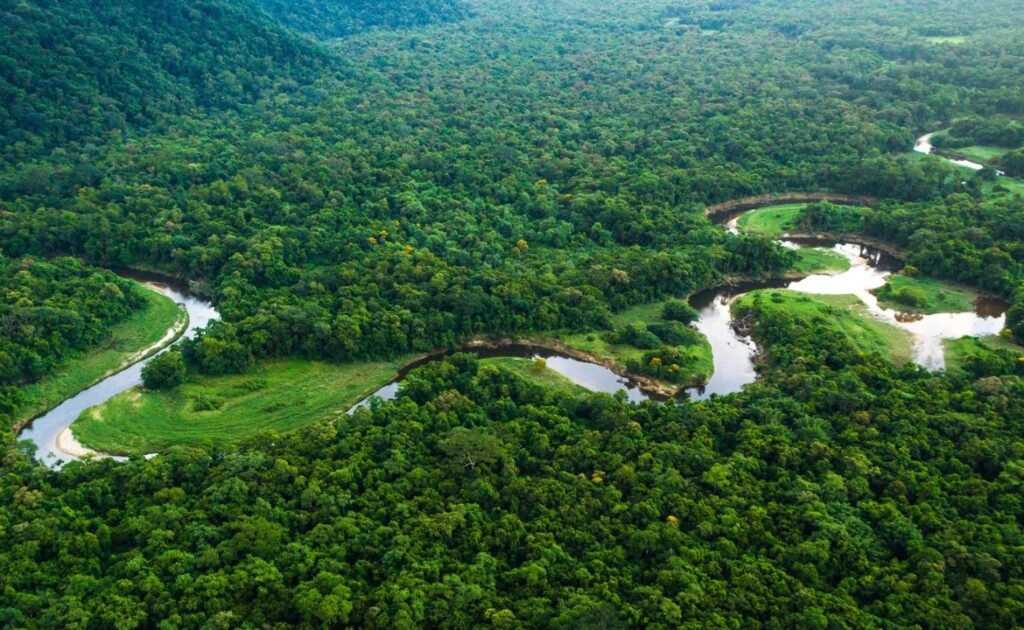
When you decide to visit the Amazon, understanding its two distinct seasons is crucial for an enriched experience. The rainy season, stretching from January to July, transforms the landscape, filling rivers and flooding areas that are otherwise dry. This is a fascinating time for wildlife enthusiasts, as the rising waters lure diverse animals into the open, making sightings easier. You’ll witness a vibrant ecosystem teeming with life, from colorful birds to playful river dolphins navigating the floodwaters.
On the flip side, the dry season from August to December presents its own allure, with lower water levels giving access to hidden trails and lesser-explored areas of the jungle. This is ideal for adventurers eager to hike deeper into the rainforest and engage in activities like birdwatching and exploring natural pools that emerge from the receding waters.
How to visit the Amazon rainforest in Brazil?
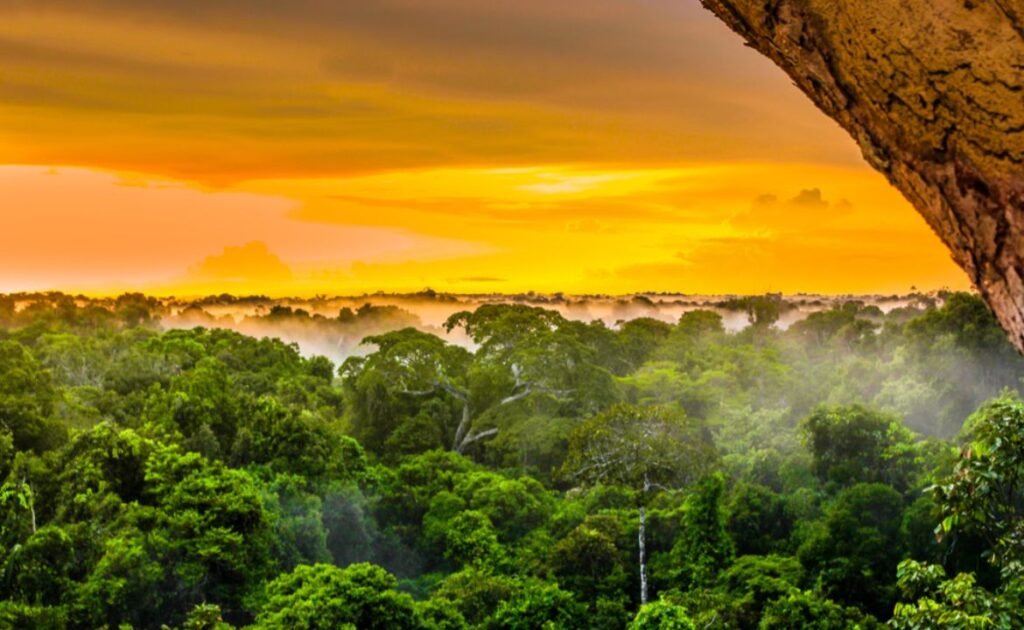
Staying at a jungle lodge near Manaus is undeniably one of the most immersive ways to experience the Amazon rainforest. These lodges offer all-inclusive packages that not only cover transfers and meals but also curate daily excursions into the heart of this verdant wonder. Imagine gliding through serene waterways, guided by locals who share their wisdom about the rich biodiversity and vibrant cultures that thrive within the forest. Each day brings new adventures, whether it’s a night-time canoe tour to spot caimans or visiting indigenous communities that keep age-old traditions alive.
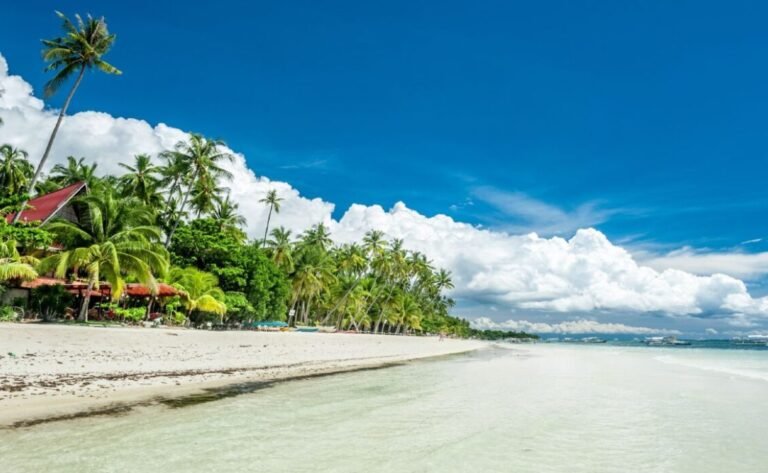
In contrast, a visit to Alter do Chão offers a refreshing departure from the traditional amazon rainforest tours. This charming town, often dubbed the “Caribbean of the Amazon,” boasts stunning white sand river beaches and a laid-back vibe that invites relaxation. Here, you can soak in the sun while enjoying the gentle lapping of the Tapajós River or explore nearby islands.
Amazon rainforest lodges in Brazil
For a truly immersive experience in the heart of the Amazon, consider staying at Amazônia Exxperience. This budget-friendly lodge offers a rustic charm that allows guests to connect deeply with their natural surroundings. While the amenities are basic, the real treasures lie in the meticulously crafted excursions led by passionate local guides, who unveil the secrets of the jungle — from fascinating flora and fauna to captivating cultural insights. The meals served are not just sustenance; they are a culinary adventure, showcasing traditional Amazonian flavors that tantalize the palate.
Which vaccines are needed for a trip to the Amazon?
While the Brazilian Amazon does not mandate vaccinations, taking proactive steps to safeguard your health is wise. Hepatitis A and typhoid vaccines are particularly recommended, as they provide protection against common food and waterborne illnesses. More importantly, the yellow fever vaccine is not only a safeguard against a potentially serious disease but is also often required for entry into certain parts of the Amazon, especially if you’re traveling from another country where yellow fever is endemic.
Additionally, malaria prevention is a crucial consideration. Some travelers opt for antimalarial pills, especially if they plan to venture into remote areas. However, many find success simply through robust insect bite prevention strategies: think long sleeves, breathable clothing, and a good quality mosquito repellent. Sleeping under a mosquito net can also make a significant difference, creating a safe haven against nighttime intruders while you bask in the sounds of the jungle.
Which animals can you expect to see?
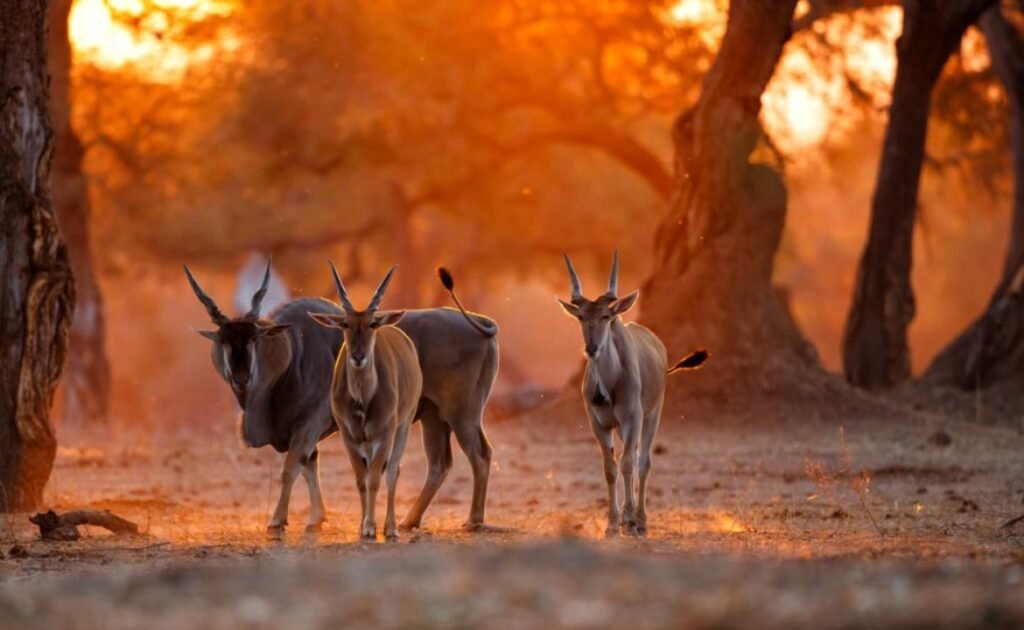
Exploring the Amazon jungle is like stepping into a living tapestry of nature, where the vibrant colors and sounds can be mesmerizing yet elusive. While you might dream of encountering a majestic jaguar prowling through the underbrush, the truth is that many of the forest’s most remarkable inhabitants prefer to keep a low profile. The thrill of spotting howler monkeys gnawing on leaves or watching a sloth lazily descend from a tree brings a unique excitement that contrasts with the allure of its more elusive predators. Each glance into the treetops can reveal a stunning macaw or toucan, their feathers a riot of brilliant hues, while the subtle rustling at your feet may betray the presence of a camouflaged tarantula.
The waterways of the Amazon are equally enchanting, offering glimpses of playful pink and grey dolphins breaking the surface or caimans basking silently on the riverbanks. While piranhas might have a fearsome reputation, the mere sight of these fish glinting in the sunlight adds to the mystique of this biodiverse haven. Every moment is an invitation to immerse yourself in the cacophony of life and the interconnectedness of its ecosystem.
A problem with wildlife tourism in the Amazon
In the Brazil Amazon, the allure of wildlife tourism is undeniable; however, the reality behind it often reveals a darker side. Many tour operators promote direct interactions with animals, offering experiences that compromise the integrity of these wild creatures. Petting pink river dolphins or cuddling sloths may seem harmless for tourists, but such activities are rooted in ethical dilemmas that can cause severe distress and behavioral issues for the animals involved. Wildlife should not be puppets for our enjoyment; rather, they deserve the freedom to thrive in their natural habitats.
Moreover, these practices can disrupt local ecosystems, leading to imbalances that ripple through the food chain. For instance, when tourists feed wild animals, it alters their natural foraging behaviors and reliance on wild food sources. This not only harms the specific species but also places enormous stress on the delicate web of life within the Brazil Amazon.
Best things to do in the Amazon rainforest
The Amazon rainforest unfolds like a living tapestry, and one of the most immersive ways to experience its wonders is through a jungle walk. Guided by seasoned naturalists, these treks reveal the delicate balance of life in this biodiverse haven. Each step through the dense foliage uncovers extraordinary plants and elusive wildlife, from vibrant poison dart frogs to the strikingly beautiful heliconias. You’ll find that the rainforest is not just a collection of trees, but an intricate network of ecosystems, each telling its own story of survival and adaptation.
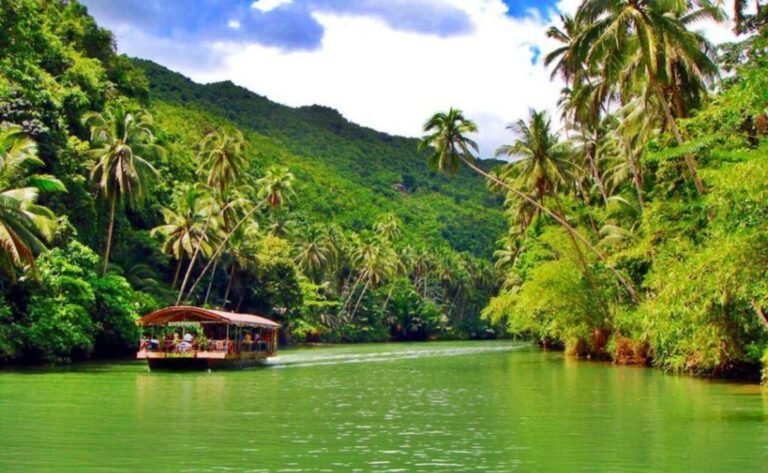
For a different perspective, consider a canoe or boat tour on the tranquil waters of the Amazon’s smaller rivers. Here, the vibrant ecosystem comes alive as you glide past lush banks, often catching glimpses of playful river dolphins and the enigmatic caimans basking in the sun. The rhythm of the water invites opportunities for piranha fishing, while nighttime excursions open a window into a world of owls and tree frogs, their calls mingling in a symphony of nocturnal life. This serene exploration truly connects you with the heart of the Amazon, making for unforgettable encounters with its wild inhabitants.
Brazil Rainforest
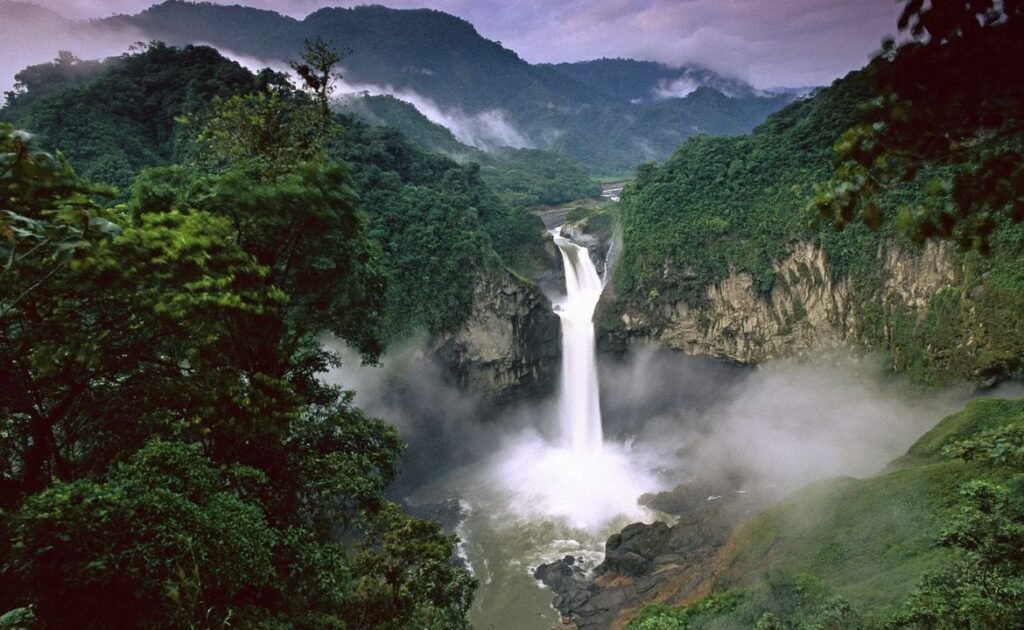
The Brazil or the Amazon, is a vibrant labyrinth of life where every inch teems with wonders waiting to be discovered. With its dense canopy stretching across 5.5 million square kilometers, it serves as a home to approximately 10% of all known species on Earth, many of which remain undocumented. Each layer of the forest — from the towering emergent trees to the shaded understory — harbors unique ecosystems, supporting an intricate web of interactions that underline the delicate balance of life.
Map with the main points of interest
The map below serves as a visual treasure trove, skillfully pinpointing the main points of interest in the Amazon rainforest. Each icon acts as a portal, leading you to unique experiences — from the vibrant wildlife of the Yasuni National Park to the serene beauty of the Anavilhanas Archipelago. These marked locations not only showcase the rainforest’s ecological wonders but also highlight the cultural richness found within indigenous communities, where the stories of the forest come alive.
Is it safe to visit the Brazilian Amazon?
Traveling to the Brazilian Amazon can be an exhilarating adventure, but it’s essential to approach it with caution. The primary health risk comes from mosquitoes, which can carry serious diseases like malaria and yellow fever. To protect yourself, wearing long-sleeved clothing and applying mosquito repellent regularly can make a substantial difference. It’s wise to consult with a healthcare professional about vaccinations and medications beforehand.
Another common challenge is adjusting to local food and water; unfamiliar bacteria can disrupt even the stoutest stomach. To mitigate the risk of gastrointestinal issues, opt for bottled water and be cautious when trying street food. As for wildlife, while the Amazon teems with fascinating creatures, attacks are rare if you respect their habitat. Maintaining a safe distance and observing wildlife from afar is not only safer but also enhances the thrill of the experience.
Final thoughts on visiting the Amazon rainforest in Brazil
In conclusion, visiting the Amazon rainforest in Brazil is not just a journey through dense foliage; it’s an immersive experience that awakens the senses and expands the heart. From the vibrant symphony of wildlife to the indigenous cultures you’ll encounter, every aspect of the Brazil rainforest invites you to connect deeply with the planet’s most vital ecosystems. As you traverse the winding rivers and lush trails, consider how your travels align with conservation efforts that protect this irreplaceable paradise.
I hope this travel guide has illuminated the extraordinary opportunities that await you in this unparalleled region. Whether you’re an adventurous spirit seeking thrilling excursions or a serene traveler looking for tranquility amid nature, the Amazon delivers in spades. Don’t hesitate to leave your questions in the comments; I’m here to help you navigate this enchanting wilderness. And for even more inspiration, be sure to check out my other Brazil travel guides that open the door to jaw-dropping beaches and vibrant city life across this captivating country.