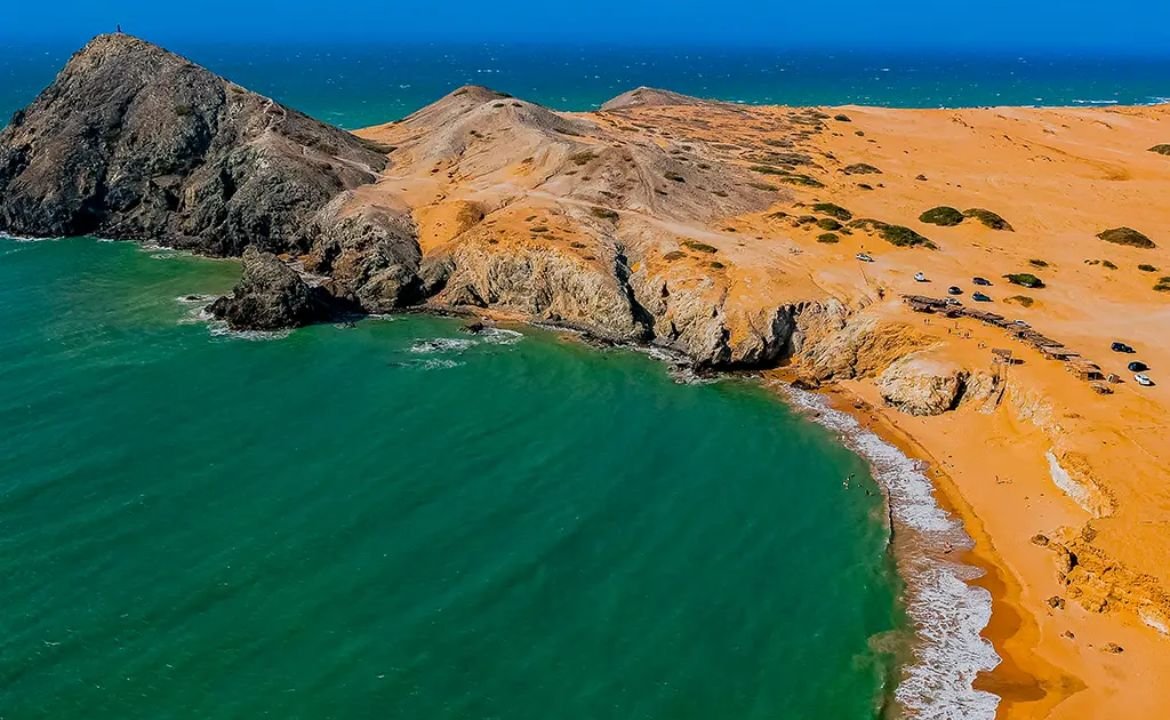
Cabo de la Vela Colombia: Complete Travel Guide 2026
Are you ready to discover one of Colombia’s best-kept secrets? Cabo de la Vela is not just another beach destination; it’s an extraordinary fusion of natural beauty and indigenous culture waiting to be explored. In this all-inclusive travel guide for 2026, we’ll help you uncover the spectacular sites, culinary delights, and immersive experiences that Cabo de la Vela colombia has to offer, ensuring you make the most of your journey to this remarkable corner of the world.
When to visit Rincón del Mar
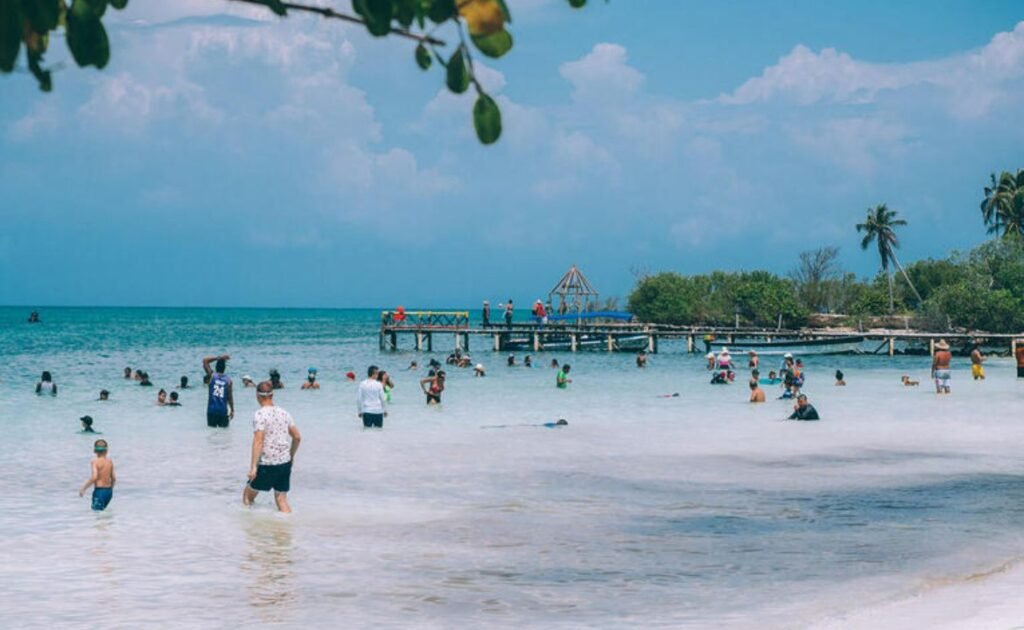
Rincón del Mar, Colombia, offers a unique charm that remains constant throughout the year, making it a delightful destination regardless of when you choose to visit. While the dry season from December to March is often recommended for those seeking pristine weather, it’s worth noting that June to September can also surprise you with minimal rainfall. During my visits in July and August, I experienced occasional morning showers that cleared up just in time for sun-soaked afternoons, allowing me to fully enjoy the stunning beaches and vibrant local culture.
How to get to Rincón del Mar
Reaching Rincón del Mar is part of the adventure, and while public transport doesn’t take you there directly, the journey offers a taste of local life. Start by taking a bus to San Onofre; the scenic ride will immerse you in Colombia’s picturesque landscapes. Upon arriving, the real fun begins as you negotiate your way to Rincón del Mar via taxi or motorbike.
Taxis typically hover around 40,000 COP for two, but savvy travelers can often haggle the fare down to 30,000, especially if booked through local accommodations.If you’re feeling the wind in your hair, opt for a motorbike ride for a unique perspective. At about 15,000 COP each, it’s not just a cheaper option; it’s an exhilarating way to soak up the sights along the route.
With a little negotiation finesse, you might even snag two motorbikes for 25,000 COP or, if you’re lucky, just 10,000 each. This bargaining experience not only saves you money but also enhances your connection to the local culture, making the journey to this hidden gem all the more rewarding.
Where to stay in Vela Colombia
Vela, Colombia, offers a unique charm, with most accommodations nestled along the beach. This vibrant stretch is not just about the stunning ocean views; it’s also the heart of the town’s culinary scene, where restaurants showcase local delicacies. However, if you’re seeking a more authentic experience away from the tourist bustle, consider staying at Los Versos de Zaira. Tucked at the town’s entrance, this small pousada is a haven for those who appreciate a personal touch in hospitality.
Zaira, the owner, imbues her establishment with warmth and a treasure trove of local knowledge. Her passion for the town and its people creates an inviting atmosphere that encourages guests to engage and explore.
whe to eat in vela colombia
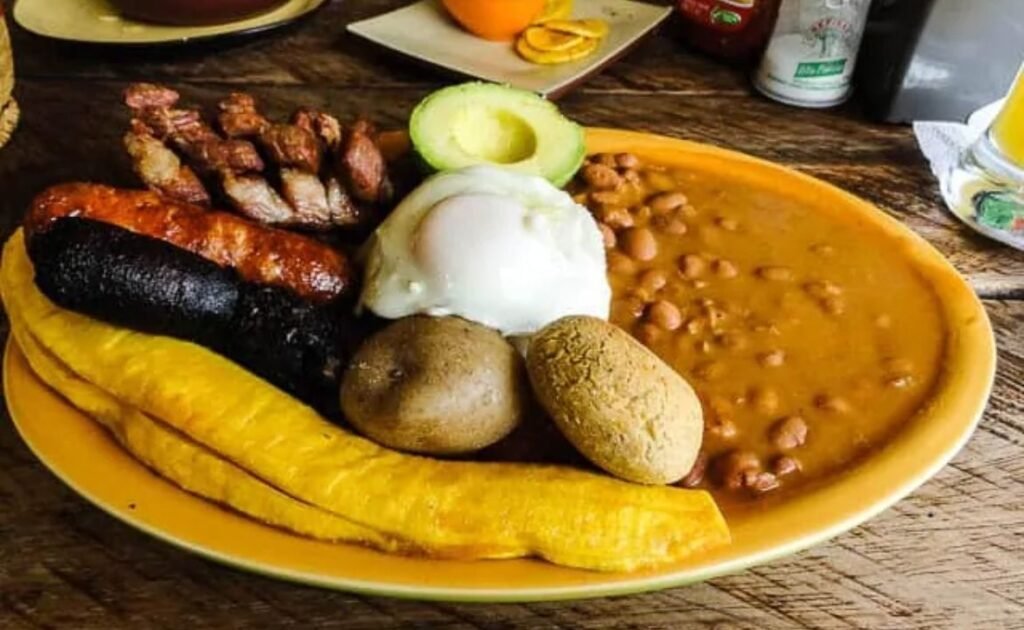
In Vela, Colombia, dining is an experience woven into the fabric of beach life. You’ll find charming rustic restaurants lining the shore, where the aroma of freshly grilled fish mingles with the sea breeze. With prices starting at just 25,000 COP (about 5-6 EUR/USD), indulging in a plate of succulent catch accompanied by coconut rice, salad, and crispy patacón is an affordable delight. Each bite not only tantalizes the taste buds but also serves as a reminder of the local waters’ rich offerings.
What to do in Rincón del Mar
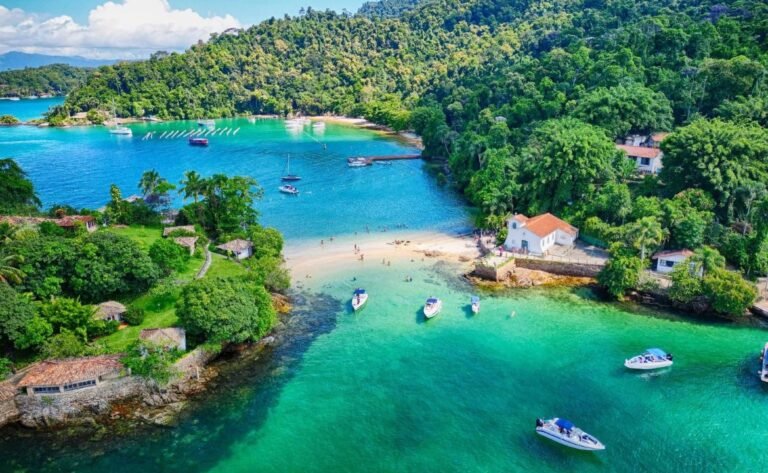
The tranquil shores of Rincón del Mar invite you to unwind amidst stunning natural beauty. Here, the sun-soaked beaches are devoid of the crowded chaos typical of more touristy spots. Playa Balsillas, to the south, offers an idyllic escape, where the gentle sound of the waves intertwines with the rustling leaves of lush trees providing natural shade. It’s the perfect backdrop to meditate, read a book, or simply bask in the warm sun with a refreshing coconut water in hand.
The Cabo de la Vela Colombia
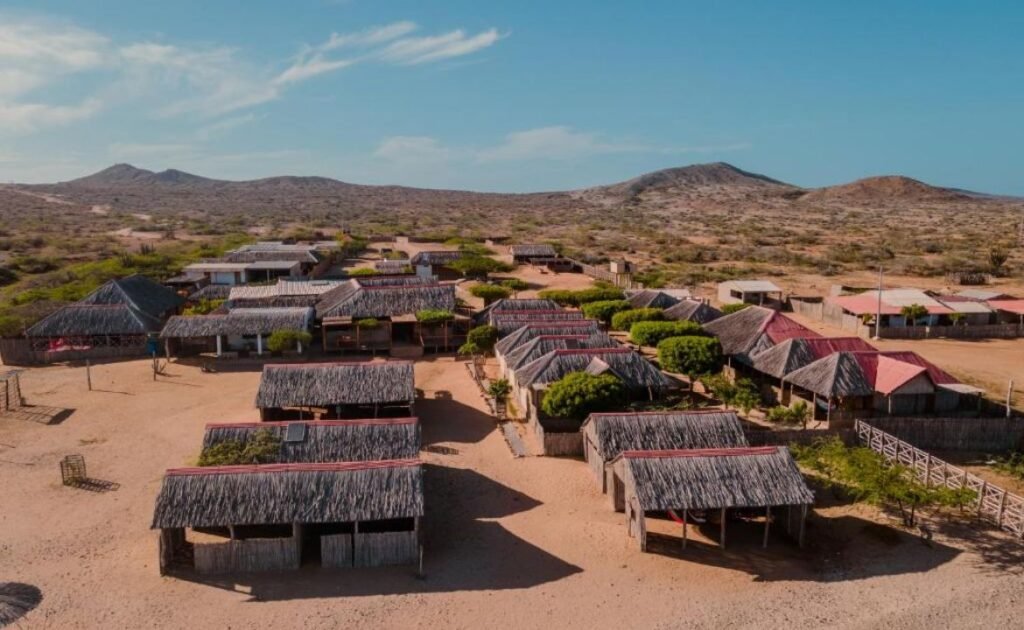
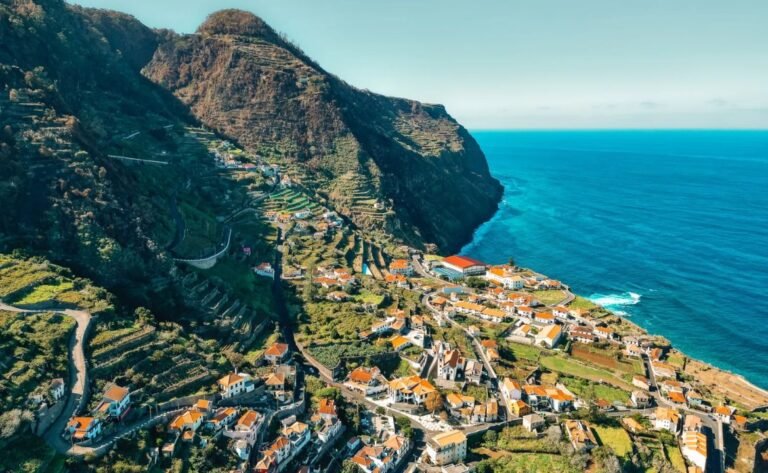
Cabo de la Vela, a hidden gem in Colombia’s La Guajira region, offers an authentic escape where the rhythm of life slows to match the gentle ebb and flow of the Caribbean waves. Here, the vibrant culture of the Wayuu people is woven into the fabric of everyday life, allowing visitors to immerse themselves in the local traditions and hospitality. As you stroll along the pristine beaches, the soft sand beneath your feet invites you to unwind, while the hypnotic colors of the sunset remind you just how far from the hustle and bustle you truly are.
Isla de los Pájaros & plankton
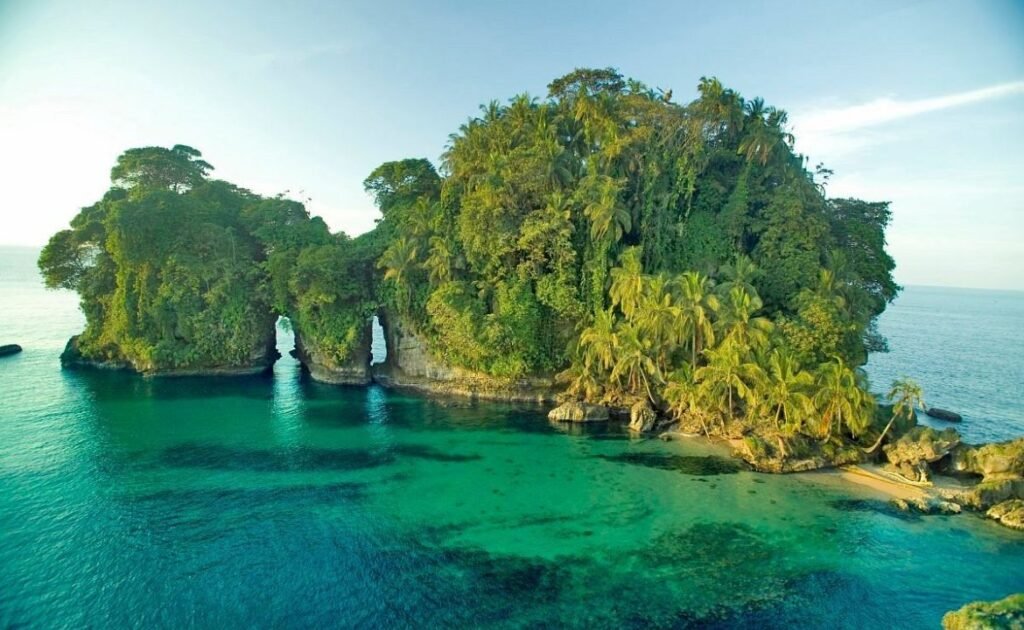
As the sun begins to dip below the horizon, casting warm hues across the sky, the Isla de los Pájaros comes alive. This enchanting little enclave, more a cluster of trees than a true island, serves as a transient hotel for an array of birds seeking refuge for the night. From herons to kingfishers, the island transforms into a symphony of colors and sounds, each bird adding its unique melody to the dusk. It’s a photographer’s dream and an ornithologist’s paradise, revealing nature’s artwork in real time.
Islas de San Bernardo
Mucara Island is undeniably scenic, yet the fishermen’s village left me with a sense of disillusionment. What might seem like an authentic cultural encounter quickly reveals itself as a tourist trap, with local guides and merchants pushing for additional fees just to stroll through their quaint settlement. While these encounters can add flavor to a trip, it’s essential to remember that sometimes, the quieter, less commercial beaches like Cabo de la Vela Colombia can offer a more genuine connection to nature and local life.